
Men's belts: leather, strap or workwear style


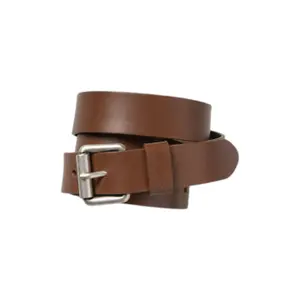
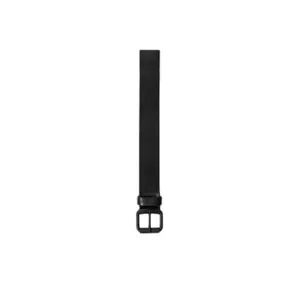
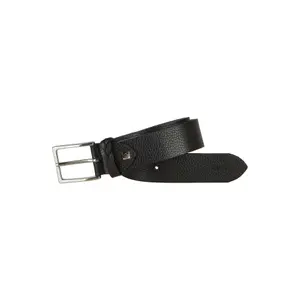
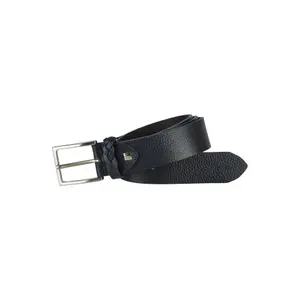
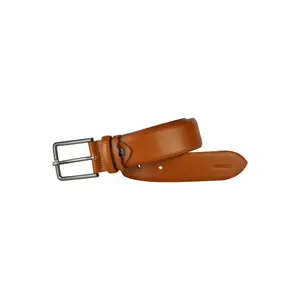


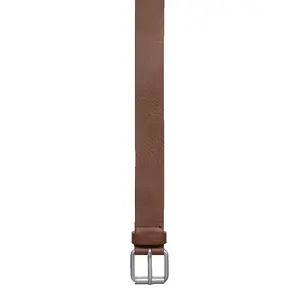


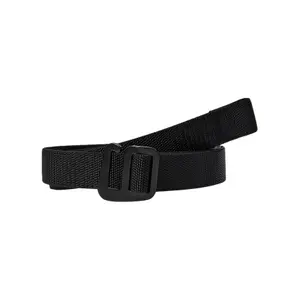
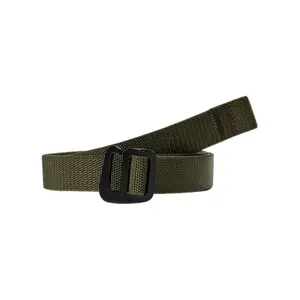


A men's belt ties the outfit together between the top and the bottom. The range includes leather belts from the leatherworker Le Tanneur and Nudie Jeans, workwear styles from Carhartt and Dickies, as well as fabric straps from Patagonia, suitable for both suits and jeans.
A belt for the office, one for the weekend
The suit and dress trousers call for a smooth leather belt, slim with a subtle buckle. Jeans and chinos can take a thicker belt, in grainy leather or canvas.
So, two belts cover the essentials of a wardrobe: a smart black or dark brown belt, and a more casual one for the weekend.
The leather belt Le Tanneur
The French leather goods brand Le Tanneur offers the essentials of leather belts in the department. Smooth leather goes with suits, while grainy or aged leather pairs well with raw denim.
Match the colour of the leather to that of your shoes: black with black, brown with brown.
Nudie Jeans: the jeans belt
At Nudie Jeans, the Dwayne and Pedersson belts made of thick leather are designed for jeans. They develop a patina over time, just like the raw denim they accompany.
The Western Silver and its metal buckle add a bolder touch.
Workwear style: Carhartt and Dickies
The Carhartt Ryan or Script belt and the Orcutt belt from Dickies come from work clothing. Made of canvas or sturdy leather, they are worn with cargo trousers, loose jeans or work pants.
The strap Patagonia
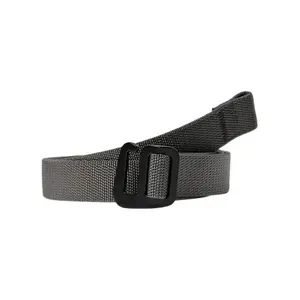
The Friction belt from Patagonia, made of woven strap, adjusts without holes thanks to its friction buckle. Lightweight, it is suitable for hiking trousers and easily fits into a suitcase without taking up space.
The belt with a suit
With a suit, the belt should be barely noticeable: smooth leather, fine and discreet buckle, about three centimeters wide. Match its shade to that of your shoes—black with black lace-ups, brown with brown derbies.
If the suit trousers have adjustment tabs on the sides, the belt becomes unnecessary: don’t combine the two.
Woven belt or smooth belt?
A woven belt, whether leather or canvas, adjusts at any notch, as the prong goes through the weave. It suits summer outfits, with light chinos or shorts.
The smooth leather belt remains the most versatile all year round. For workwear style, Dickies models naturally match their work trousers.
Width and buckle
- About 3 cm: suit trousers and smart chinos.
- 3.5 to 4 cm: jeans and casual trousers, with wider loops.
- Buckle: silver with a steel watch, gold or brass with warm metals.
Finding the right size
The size of a belt is measured from the prong to the middle hole. Take your waist measurement over the trousers you will wear, and choose the size that falls in the middle of the holes.
A belt that is too long leaves a tail hanging out of the next loop: avoid this with a suit.
Maintaining your belt
Leather should be nourished two or three times a year with suitable cream. Store the belt hanging by the buckle, or rolled loosely, to avoid marking the leather. A belt that gets wet should be dried flat, away from a radiator.
Matching belt, watch and shoes
For the entire wardrobe, head to the men's accessories page. Belt, watch strap and shoes form a trio: a matching blend of leather and metal is enough to make an outfit cohesive. Check out the men's watches and other men's accessories by type.
Frequently asked questions
Do you need a belt with chinos?
Yes, if the chinos have loops: a brown leather or woven belt gives a smarter look than going without, especially with a tucked-in shirt.
How many belts should you have?
Two are enough to start: a smooth leather belt for suits and dress trousers, and a thicker or canvas belt for jeans and the weekend.
What colour belt with brown shoes?
A brown belt, in a shade close to that of the shoes. Black with brown should generally be avoided in smart attire.
How to measure your belt size?
Measure a belt that fits you, from the prong to the hole used, or your waist measurement over the trousers worn.
What belt for raw jeans?
A thick leather belt, 3.5 to 4 cm wide, like the Dwayne from Nudie Jeans, which ages beautifully with the denim.
Fabric or leather belt?
Leather for city and office wear, fabric strap for sport, hiking and travel.







