
Women's boots: for rain, snow and cold


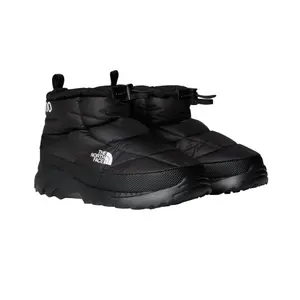
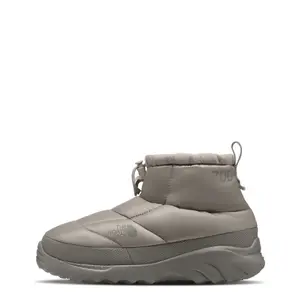
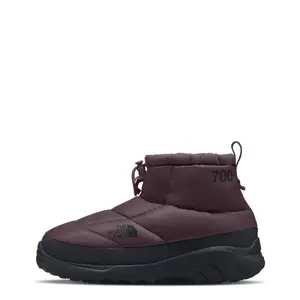
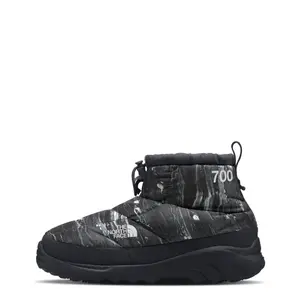


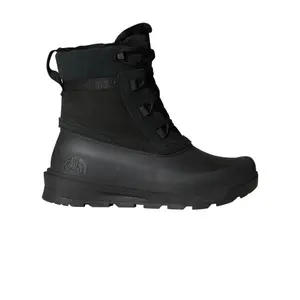
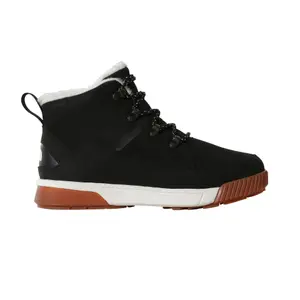


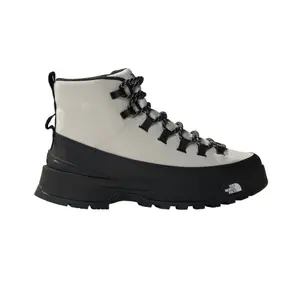
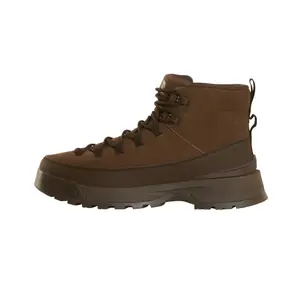
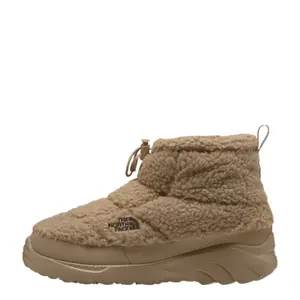


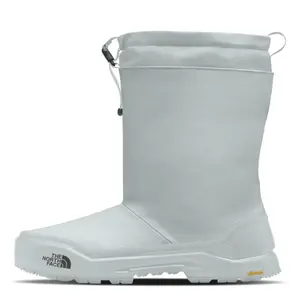
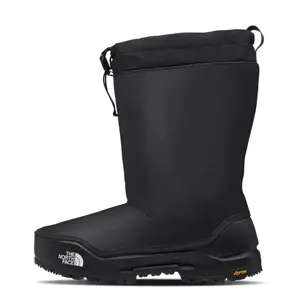
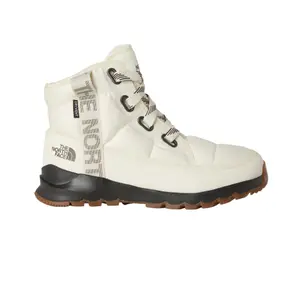
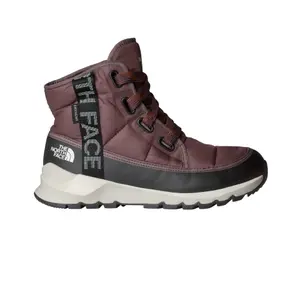
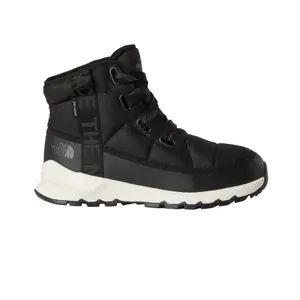
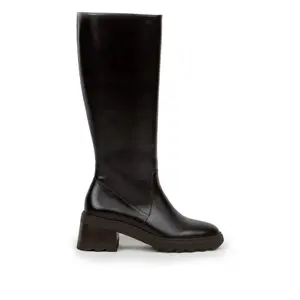
The women's boots section keeps your feet dry and warm: natural rubber rain boots like the Myrica or the Eliosa, lace-up winter boots, lined ankle boots, and après-ski Boots. Choose based on the weather you face most often.
Rain boots or winter boots?
The rain boot is waterproof from the sole to the top of the shaft: it protects from puddles, mud, and showers, but offers little insulation against the cold without a lining. The winter boot, it, keeps warmth thanks to padding or a lining, and grips well on snow.
Some boots do both, like the lined versions of rain boots. For an area where it often rains and rarely freezes, a rain boot with a good sock is usually enough.
The Aigle rain boots
Aigle, a bootmaker founded in 1853 in Montargis, uses natural rubber for its rain boots. It stays flexible in cool weather and fits around the calf with wear.
The Myrica and Eliosa are among the models available, in tall or short versions, with a Winter lined option for cold weather. The whole collection is on the Aigle women page.
What height of shaft?
- Tall boot: for the countryside, muddy paths, and heavy showers.
- Mid-high boot: a compromise for the city and short outings.
- Ankle boot: easy to slip on, can be worn under trousers.
A tall shaft offers better protection, but be sure to check the calf circumference on the label.
The calf circumference
On a women's boot with a tall shaft, calf circumference matters as much as shoe size. Measure your calf at its widest point while sitting, and compare it with the shaft circumference listed on the product page.
Leave two to three centimetres of ease to slip in trousers or thick socks. Some models have an adjustable gusset that fits a wider calf.
The The North Face winter boots
The North Face offers lace-up winter boots, like the Thermoball or Sierra, padded and with a rugged sole. They keep your feet warm in cold weather and grip well on slippery surfaces.
The Shellista, shorter in style, is easy to wear in the city with jeans or ski pants.
The Le Chameau ankle boots
Le Chameau offers jersey-lined ankle boots, like the Giverny, designed for both the countryside and the city. Easy to slip on, they keep your feet dry in the rain and remain comfortable for hours.
The après-ski Moon Boot
An icon of ski resorts, the Moon Boot is recognised by its bulk and padded shaft. It keeps your feet warm after a day on the slopes and has become popular in the city on very cold days.
Wear it with fitted trousers or leggings to balance its bulk.
Choosing the right shoe size
A boot should be chosen with the sock you plan to wear. For a rain boot, leave some room for a thick sock in winter, but ensure your heel doesn’t lift with each step.
For a lace-up winter boot, your usual size is generally fine: the lacing adjusts the fit.
Boots and outfits
A tall rain boot pairs well with slim jeans or leggings tucked into the shaft, along with a waterproof coat or parka. A shorter winter boot goes well with straight trousers that fall over the boot.
For the city, a black or khaki boot is usually the easiest to match.
Keeping feet warm
In an unlined rain boot, a wool sock and an insulating insole make a real difference in cold weather. Avoid cotton alone, which retains moisture and cools the foot.
Check out the women's socks for a suitable pair.
Maintaining rubber boots
Rinse your boots with clear water after a muddy outing, and let them air dry, away from a radiator that can dry out the rubber. Store them upright, away from direct light.
A whitish film may appear on natural rubber: this can be wiped off with a cloth and an appropriate product.
Maintaining winter boots
After snow, wipe off salt marks and let the boots dry at room temperature. Remove the insoles so they can dry too.
Parts made of leather or nubuck should be protected with a suitable waterproofing agent.
Boots or ankle boots?
The boot protects up to the calf, while the ankle boot stops at the ankle. For the city in dry weather, an ankle boot is often enough; for heavy rain and the countryside, the boot remains unbeatable.
Check out the women's ankle boots for drier days.
Browse the entire range
All types of shoes are in the women's shoes by type section, and our general advice can be found on the women's shoes page.
Frequently asked questions
How do I choose the size of my rain boots?
Take your usual shoe size, with a bit of ease for a thick sock, and check the calf circumference on the label.
Do rain boots keep warm?
Not much without a lining. Choose a lined version, or add a wool sock and insulating insole.
How can I avoid rubbing at the calf?
Wear a tall sock or trousers tucked into the shaft, and choose a shaft circumference that fits your calf.
Do you need different boots for snow?
Yes, a winter boot with a rugged sole and warm lining grips better and insulates more than a rain boot.
How should I store my boots?
Clean, dry, standing up, with support or paper inside to keep the shaft upright.







