
Women's Outdoor Clothing: How to Choose Your Layers
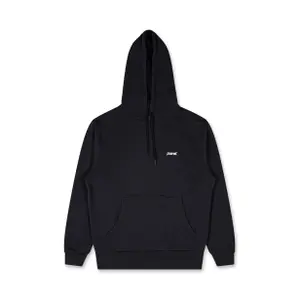
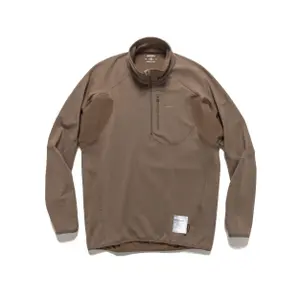
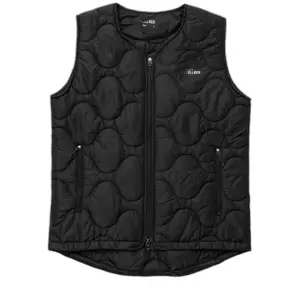
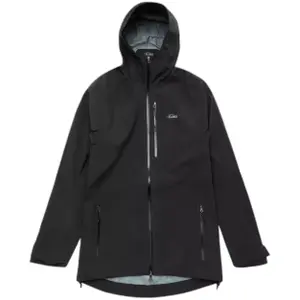
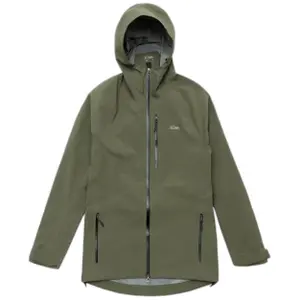
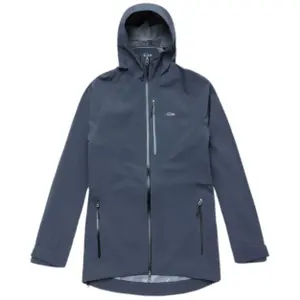
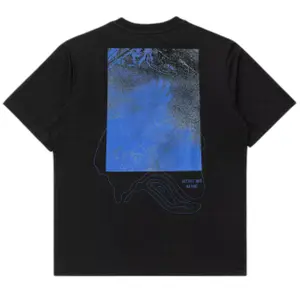
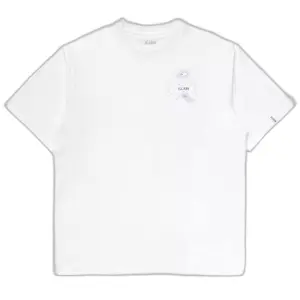
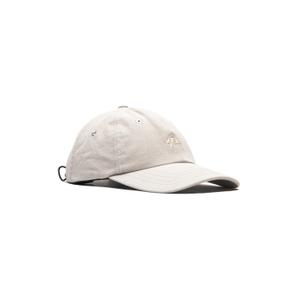
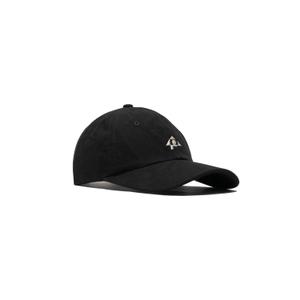
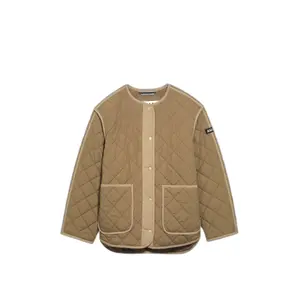
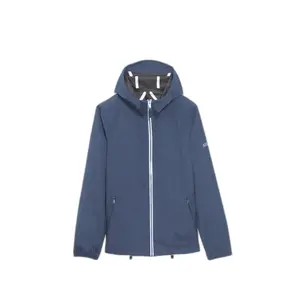
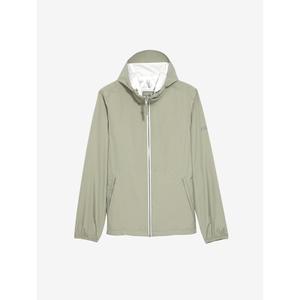
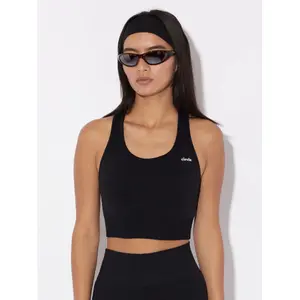
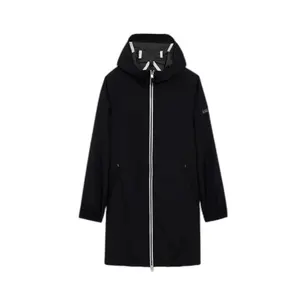
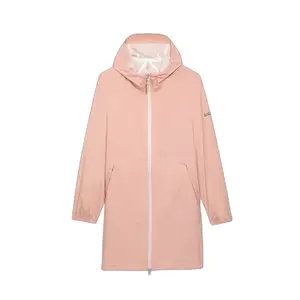
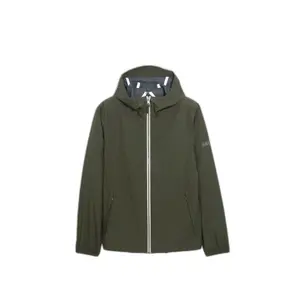
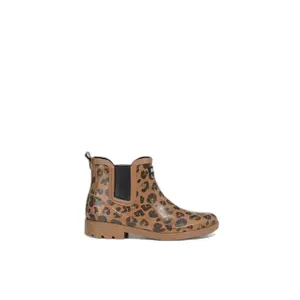
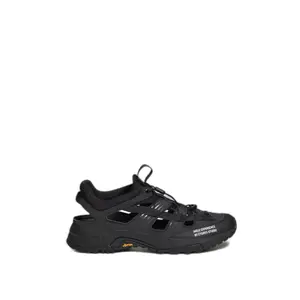
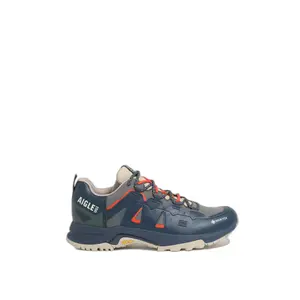
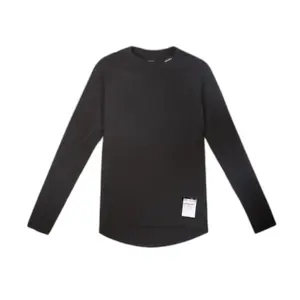
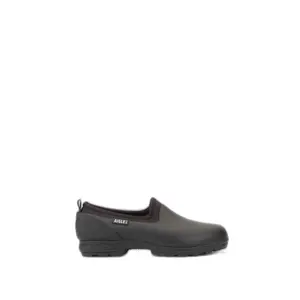
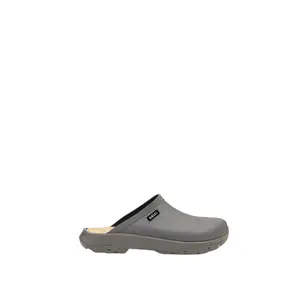
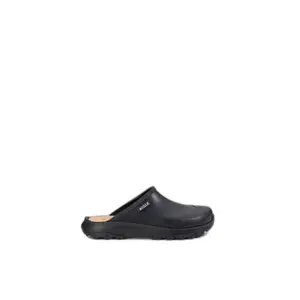
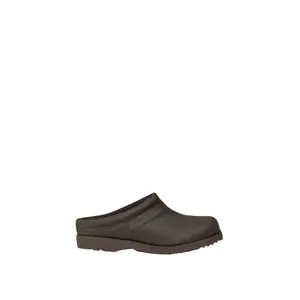
Women's outdoor clothing is designed in layers: a base layer next to the skin, a warm layer, and then a layer that protects against wind and rain. Aigle plays a central role here, with RainPack jackets and rain boots, alongside Elliker, Satisfy, and Parel Studios.
The three-layer system
An outdoor outfit doesn't rely on a single thick piece. You layer thin components and take one or two off depending on the effort and the weather.
- Base layer: against the skin, it wicks away sweat. Choose a snug fit from the technical tops.
- Mid layer: fleece, sweatshirt or insulated gilet, it retains warmth.
- Outer layer: the jacket or coat that blocks wind and rain.
Keep the warm layer loose enough not to compress the base layer: the trapped air it holds most of the insulation.
Waterproof or water-repellent jacket?
A women's waterproof jacket blocks rain, while a water-repellent piece allows water to bead on the surface but eventually lets it through during a long downpour. For hiking, aim for the waterproof option.
The RainPack waterproofs from Aigle fold up to fit in a bag, handy when the sky is uncertain. Elliker offers waterproof jackets and insulated gilets as well.
Hiking clothes that work in the city
A good outdoor jacket works just as well on a trail as it does on the way to the office on a rainy day. Look for length, an adjustable hood, and discreet finishes.
Always try your jacket over your usual warm layer to check that it doesn't pinch at the shoulders once you're fully dressed. The trousers and shorts follow the same logic of freedom of movement.
Running, walking, camping
For running, Satisfy and Saysky offer pieces designed for running. The French brand Circle Sportswear creates sportswear from recycled materials.
For camping, the Helinox camp furniture folds up into a bag. The sweatshirts and t-shirts from Parel Studios connect the mountain to the city.
Boots, shoes and accessories
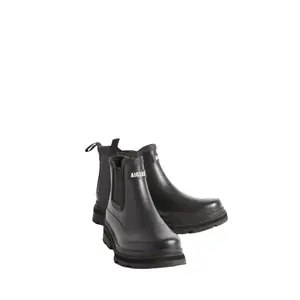
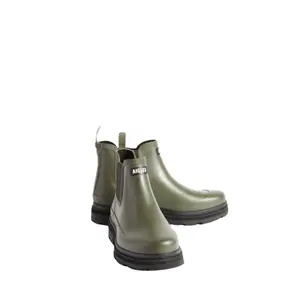
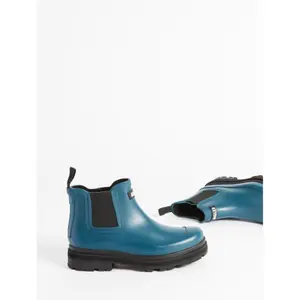
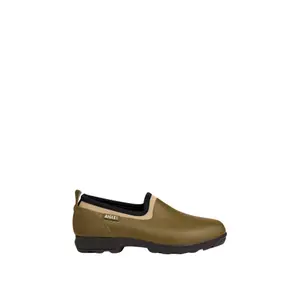
The outdoor shoes and rain boots Aigle complete the outfit from the bottom up. Don't forget about the extremities: a beanie from the headwear range and gloves from the accessories keep the warmth that the layers on your torso can't cover.
Caring for outdoor clothing
Wash your technical jackets with a suitable product rather than regular detergent, which clogs the fibers and reduces the water-repellent effect.
A tumble dry on a low setting can sometimes reactivate the treatment: always check the label first. All pieces are organised by type in the outdoor categories and by brand in the outdoor brands.
Down jacket or fleece: which warm layer?
The women's down jacket offers the best balance of warmth and weight, and compresses into a bag. However, down insulation is vulnerable to moisture, while synthetic insulation retains heat even when wet.
The fleece is less warm for the same thickness but it breathes better and dries quickly. It is suitable for sustained efforts, while the down jacket is best for breaks and cold days.
Hiking attire by season
In summer, a lightweight base layer and a windproof jacket packed in your bag are often enough. Keep a cap for the sun and a water bottle handy.
In mid-season and winter, add the warm layer and a waterproof jacket with a hood. Well-layered women's hiking clothes can be adjusted on the go without needing to change everything.
Choosing rain boots wisely
The women's rain boots from Aigle are made of natural rubber, flexible and waterproof. Choose the height based on usage: a tall boot for the countryside and muddy paths, a short boot for the city.
Leave space for thick socks in winter. A whitish film may appear over time on natural rubber: it can be wiped off with a cloth and a suitable cleaning product.
Frequently asked questions
Should I buy all three layers at once?
No. Start with the layer you will use most often for your activity, then build the system up over time.
Is a water-repellent jacket enough in heavy rain?
No: the water-repellent effect delays water entry but doesn't prevent it over a long duration. For prolonged exposure, choose a jacket that is advertised as waterproof.
What outdoor jacket is suitable for the city?
A mid-thigh waterproof jacket with an adjustable hood and discreet finishes. It covers the top of trousers or a dress and works well for both walks and commuting.
How to care for rubber boots?
Rinse them with clean water after a muddy outing, then allow them to air dry away from a heater that can dry out the rubber.
Can these clothes be worn in the city?
Yes, that's one of the perks of outdoor clothing: a simple cut and durable material work just as well on the way to the office as they do on a trail.